
Written by: Jason Jowers, MS, MFT
There are so many ways for kids and teens to connect online. It’s more than just social media platforms; there are chatrooms, instant and direct messaging apps, and online video games. For military families, these virtual spaces are great ways for kids and teens to stay connected to a deployed parent or service member, as well as ways to stay connected with long-distance friends.
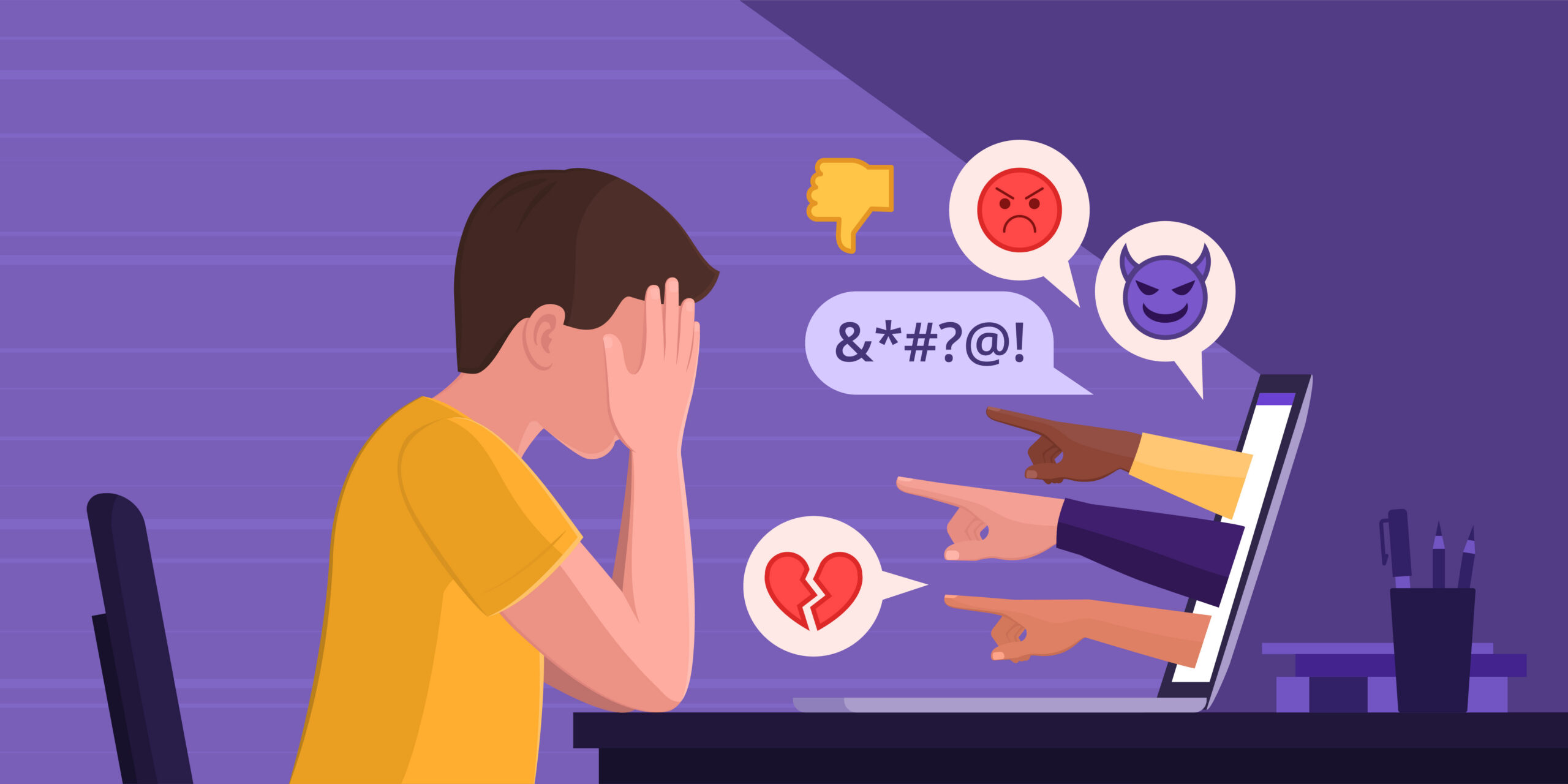
However, these online areas share the hazards of being places where bullying behaviors from peers can happen. Although traditional bullying behaviors encompass physical threats and harm, cyberbullying behaviors share many of the same instances of harm that take place. Cyberbullying is defined as the use of electronic communication to bully someone, typically by sending intimidating or threatening messages (American Psychological Association, 2022). Being a victim of cyberbullying also has long-lasting effects for kids and teens, especially when the bullying behavior takes place over a long period of time. Cyberbullying leads to anxiety and depression, and in severe cases, leads to self-harm and even suicide.
Cyberbullying Safety Strategies for Kids and Teens
Knowing the long-term effects of cyberbullying and bullying in general, what are some ways that parents, teachers, and mental health practitioners can provide safeguards against cyberbullying behavior and mitigate the long-term effects? Below are some suggested safety strategies to share with kids and teens.
- The Choose Kindness Project has many resources and toolkits for parents, as well as educators and providers, to lean on when helping kids and teens with the effects of cyberbullying. The Educator and Coach Toolkit is a great tool to prevent cyberbullying and to implement ways to work with families to keep kids safe at home.
- The American Psychological Association shares an article on what cyberbullying is and how it affects the mental health of children and teens. They share ways that parents can talk to their kids about cyberbullying, how and where to report it, and the legal ramifications. They also share helpful links to many other organizations helping to stop bullying and cyberbullying behaviors for youth.
- UNICEF also has a great article highlighting specialists, international cyberbullying and child protection experts, to answer some of the most common questions about online bullying and give advice on ways to deal with it. Many of the questions include “I’m experiencing cyberbullying, but I’m afraid to talk to my parents about it. How can I approach them?” and “Are there any online anti-bullying tools for children or young people?”
Bullying continues to be a pervasive issue for many children and teens across the country. The consensus is that as long as we continue to educate youth about bullying prevention, we will continue to build prevention, safety, and positive habits.
Protecting young people from cyberbullying is just one part of helping them navigate today’s digital world safely. For professionals and caregivers seeking a deeper understanding of youth online behavior, OneOp’s on-demand webinar, From Clicks to Consequences: Understanding Youth Online Sexual Behavior, explores how children and adolescents encounter and interpret online content, the social and emotional impacts of digital experiences, and practical strategies for supporting healthy online development. Access the webinar on demand to expand your toolkit for promoting youth safety and well-being in digital spaces.
References
Abramson, A. (2022). “Cyberbullying: What is it and how can you stop it?” American Psychological Association. Retrieved from: https://www.apa.org/topics/bullying/cyberbullying-online-social-media
The Choose Kindness Project (2026). The Educator and Coach Toolkit. Retrieved from: https://www.thechoosekindnessproject.org/bullying-prevention-educator-toolkit-landing-page/cyberbullying-educator-and-coach-toolkit/
UNICEF (2026). “Cyberbullying: What is it and how to stop it.” Unicef. Retrieved from: https://www.unicef.org/end-violence/how-to-stop-cyberbullying#11
Image Attribution: Adobe Stock by elenabsl