

Category

Health and Well-Being

Female with both hands holding abdomen.

Updated Medical Nutrition Therapy Approaches for Irritable Bowel Syndrome: Algorithms, Evidence, and Counseling Tips

By Health and Well-Being

Irritable bowel syndrome (IBS) is a chronic gastrointestinal disorder characterized by recurrent abdominal pain and changes in bowel habits involving diarrhea, constipation, or both. These symptoms may occur without visible signs of structural damage or disease in the digestive tract (National Institute of Diabetes and Digestive and Kidney Diseases, 2024).

Read More

Cyberbullying Safety Strategies for Kids and Teens

By Health and Well-Being

Online spaces give kids and teens valuable ways to stay connected with friends and family, especially during military-related separations and moves. At the same time, these spaces can expose young people to cyberbullying and its lasting effects on mental health and well-being. In this blog, explore practical safety strategies and trusted resources to help caregivers, educators, and providers prevent cyberbullying and support youth in navigating digital spaces safely.

Read More
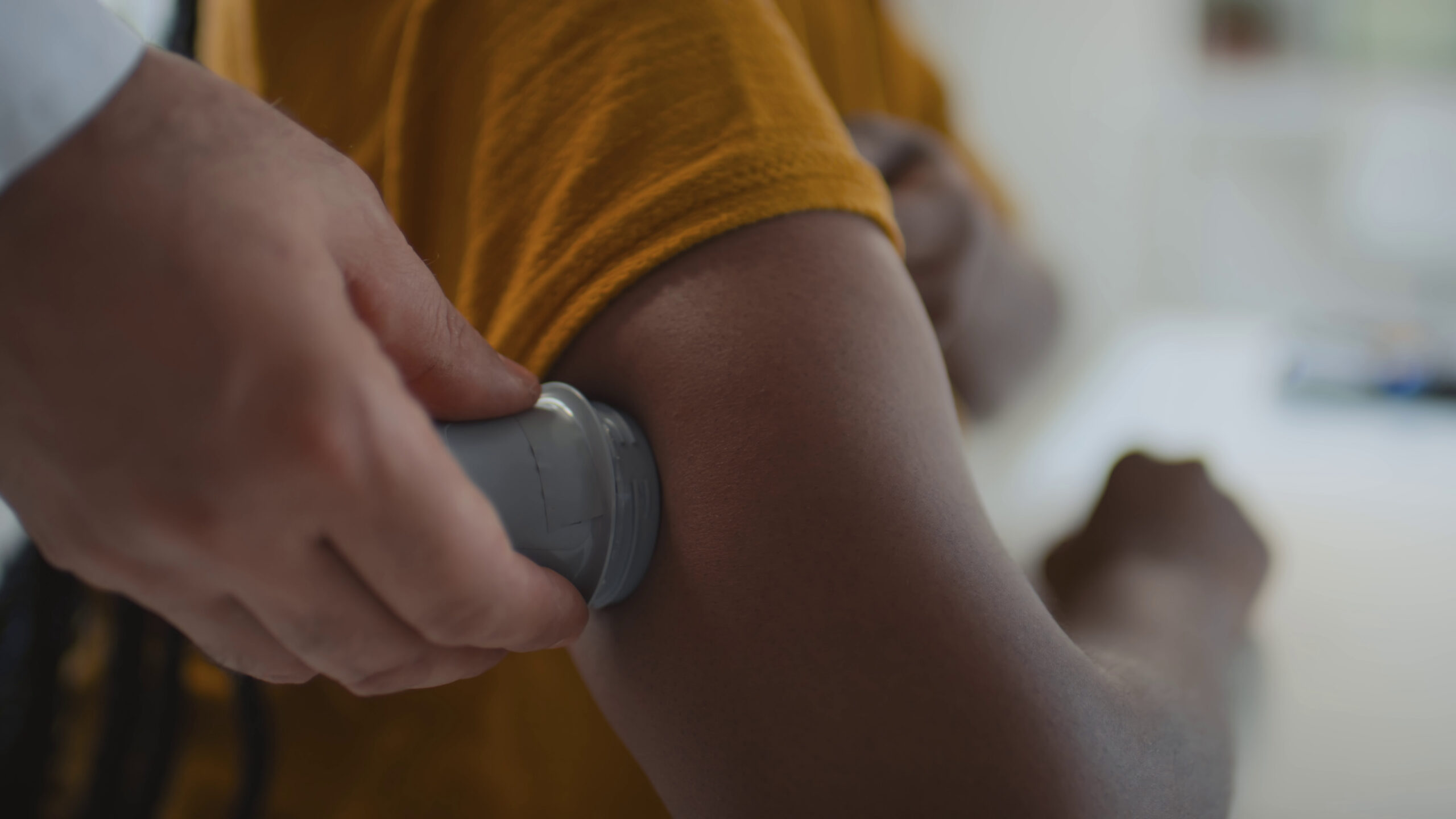
Close up shot of hands of unrecognizable medical practitioner implanting continuous glucose monitor on upper arm.

What Nutrition Professionals Need to Know About Continuous Glucose Monitors (for Non-Diabetic Use)

By Health and Well-Being

Continuous glucose monitors (CGMs) are becoming popular tools for understanding how food, activity, sleep, and stress influence blood sugar levels. While they offer valuable insights into individual responses and personalized nutrition, their use outside of diabetes care requires careful interpretation. In this blog, we explore the benefits, limitations, and practical applications of CGMs, and how nutrition professionals can use this technology to support evidence-based, individualized care.

Read More
down syndrome teenage girl having good time together with family

Male Caregivers Guiding Teens with Disabilities Toward Adulthood

By Health and Well-Being

Male caregivers play an important role in helping adolescents with disabilities develop life skills, self-confidence, communication abilities, and readiness for adulthood. Research suggests that positive caregiver involvement during adolescence may strengthen social-emotional growth and help youth navigate increasing expectations across school, work, home, and community settings.

Read More
Up-close image of DNA

Precision Nutrition and Its Emerging Role in Clinical Practice

By Health and Well-Being

“Eat this, not that” isn’t always enough—nutrition isn’t one-size-fits-all. In this blog, we explore how precision nutrition uses genetics, lifestyle, and microbiome data to tailor dietary guidance for more effective, individualized care. We also highlight its growing role in managing chronic disease, enhancing performance, and shaping the future of dietetics practice.

Read More
Three females unloading a truck of produce for a mobile food pantry.

Building Healthier Military Communities: Strategies for Dietitians Across All Settings

By Health and Well-Being

In this blog, we explore actionable strategies dietitians can use to better support military service members and their families across clinical, community, and virtual settings. From addressing food insecurity and navigating military culture to building collaborative partnerships, this post highlights practical approaches to strengthening nutrition support and promoting healthier military communities.

Read More
young-black-father-lying-on-floor-playing-with-his-young-son-SBI-350032543

Strong Starts with Male Caregivers

By Health and Well-Being

Male caregivers play a unique and essential role in early childhood development, influencing children’s cognitive, social, emotional, motor, and communication development. For children with varying developmental abilities, intentional engagement with other male caregivers through play, daily routines, and early intervention (EI) can enhance learning and strengthen family well-being. This involvement also supports long-term developmental outcomes.

Read More