Written by: Bethany Daugherty, MS, RDN, LD
The conversation around food security has evolved beyond simply ensuring there is enough food on the table to recognizing the importance of consistent access to nutritious foods across the lifespan that promote health, support well-being, and help prevent chronic disease. For military families, this shift supports a nutrition readiness perspective by recognizing that reliable access to healthy foods helps service members, spouses, and children build the physical, cognitive, and emotional resilience needed to support military readiness, family well-being, and long-term health.
Why Community Partnerships Matter
The military nutrition readiness framework is grounded in three pillars: physical access to food, economic access to food, and nutrition quality. Nutrition readiness is shaped by a complex set of individual, family, community, and environmental factors, meaning no single organization can address it alone. Military families may experience challenges related to food affordability, transportation, access to nutritious foods, nutrition or culinary knowledge, or navigating nutrition assistance programs such as Women, Infants, and Children (WIC) or the Supplemental Nutrition Assistance Program (SNAP). These barriers often intersect with other aspects of readiness and well-being, including financial stability, health, childcare, employment, and geographic location, highlighting the need for coordinated, cross-sector partnerships to support nutrition readiness.
Community partnerships are essential for connecting military families with resources, reducing barriers to healthy eating, and creating sustainable support networks. By bringing together military installations, Cooperative Extension professionals, health care providers, educators, community organizations, and financial counselors, communities can strengthen their collective capacity to strengthen nutrition readiness for military families.
OneOp Learning Opportunities
To learn more about the military nutrition readiness framework, register for the 2026 Military Family Readiness Academy. The Academy is a 4-week professional development learning series designed to help service providers strengthen their capacity to support military families by enhancing community infrastructure and partnerships. The second webinar in the series, Creating a Network for Military Nutrition Readiness, will explore the three pillars of nutrition readiness and highlight a robust partnership between Cornell Cooperative Extension and Fort Drum that works to strengthen nutrition readiness in the Fort Drum community.
OneOp offers several other professional development opportunities that highlight the power of collaboration and provide practical strategies for building these partnerships. All of these learning opportunities provide no-cost continuing education credits from a variety of professional credentialing agencies.
- Advancing Food Security for Military Families Course: This foundational course examines the many factors that contribute to food insecurity in the military population and explores existing initiatives that address food insecurity in military families.
- Feeding Minds, Fueling Futures through the Child and Adult Care Food Program (webinar): Tune in to this on-demand webinar to learn about the USDA Child and Adult Care Food Program (CACFP) and explore how this program is implemented at Fort Bliss.
- Insights and Best Practices from the USDA Summer Meal Programs (webinar): This session describes the goals, structure and requirements of the USDA Summer Meal Programs, and describes how the program is administered to the Fort Bragg community.
- More than a Meal: Building Community and Resilience with Chef Mary Long (podcast): In this Practicing Connection podcast episode, Chef Mary Long, a culinary health and resiliency instructor at the U.S. Army North Vogel Resiliency Center, shares about the teaching kitchen and culinary nutrition efforts at Joint Base San Antonio.
- Partnering for Impact Through Food is Medicine (webinar): This webinar explores a successful partnership between Ho’ola Farms, a nonprofit working to strengthen the local food system in Hawaii, and Kaiser Permanente to deliver a Food is Medicine program for military veterans in Hawaii.
- Risk Factors and Reasons for Food Insecurity Among Service Members (webinar): This session outlines the risk factors for food insecurity for the U.S. military and highlights the Culinary Health and Resiliency program at Fort Sam Houston working to alleviate food insecurity.
- Strengthening Food Security and Nutrition Readiness in the Force (webinar): This webinar panel provides a robust discussion on three innovative partnerships with military installations and academic and community partnerships to strengthen military nutrition readiness. Watch this on-demand webinar to learn about a Women, Infants, and Children (WIC) Community Innovation and Outreach (CIAO) project at Fort Campbell, explore a partnership effort between Fort Bragg and Cumberland County Department of Public Health to open an installation WIC clinic, and understand the process that the Fort Drum Food Security Working Group used to develop the Food Resource Guide.
- Supporting Military Teens: Community Healthy Living and Food Security Programs (webinar): This session describes the Georgia 4-H VISTA AmeriCorps Summer program that engages youth through 4-H Summer Health Squad lessons and supports local communities with food security initiatives.
Moving Forward Together
Strengthening nutrition readiness is a shared responsibility. When military organizations, Cooperative Extension, community agencies, health professionals, and family support providers work together, they create stronger networks, healthier families, and more resilient communities. Through collaboration, we can move beyond addressing immediate needs and build sustainable pathways to nutrition readiness for all military families.
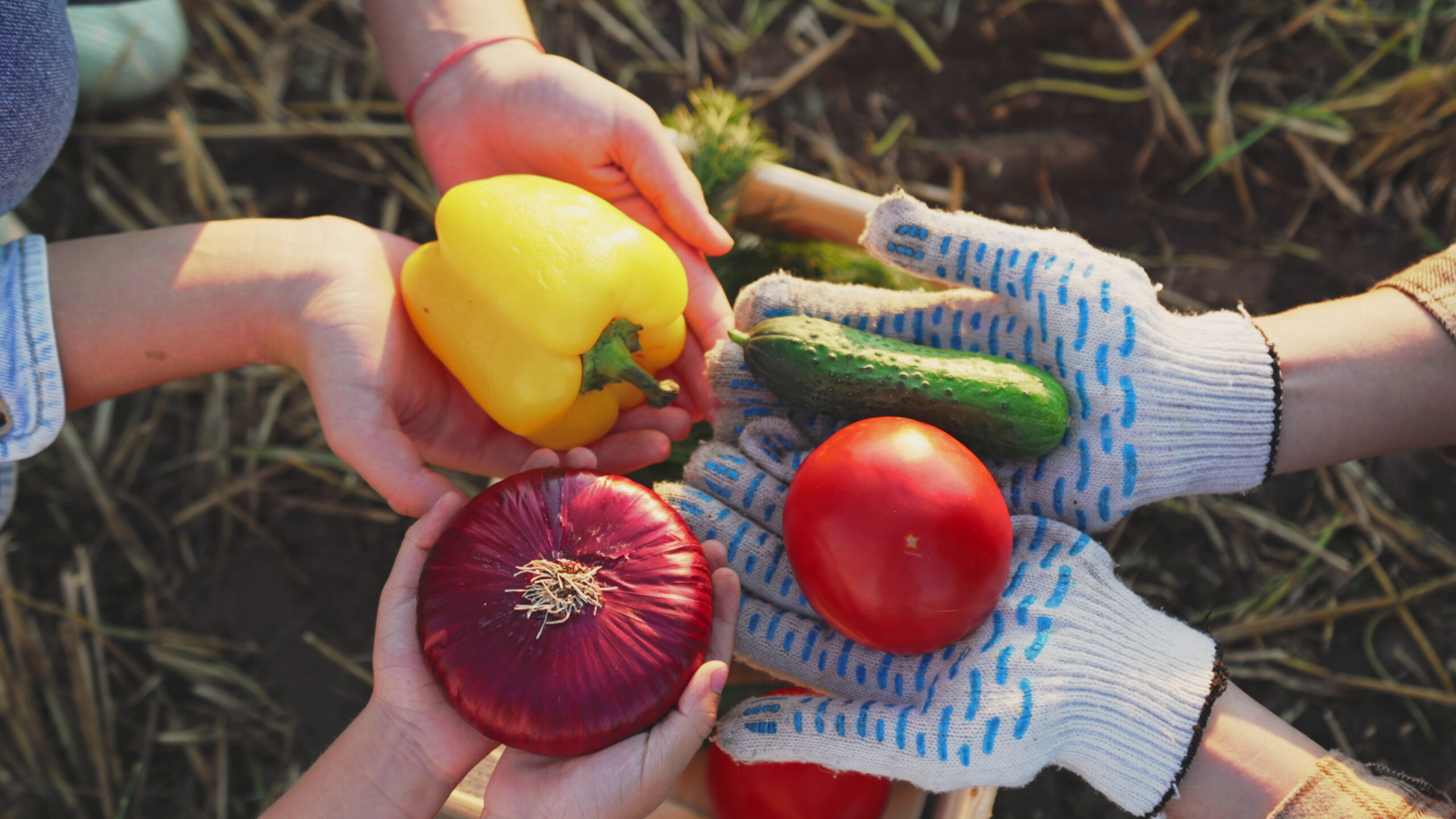
Image from Sergey Gribanov via Storyblocks.