

Children with specific risk factors are more likely to experience persistent victimization, even when they attend a school with a whole-school approach to bullying (Kaufman et al., 2018; Nocentini et al., 2018).
Children with specific risk factors are more likely to experience persistent victimization, even when they attend a school with a whole-school approach to bullying (Kaufman et al., 2018; Nocentini et al., 2018).

When we consider ways to manage our finances, certain words may come to mind — savings, income, debt, interest. However, there are several considerations besides money that can impact a household’s overall well-being. While financial literacy is paramount, families also should look for ways to manage their collective resources. These range from: time and energy, to personal belongings and the spaces in our homes, to relationships.

According to the Bureau of Labor Statistics (2024), the cost of food at home increased 6.1% from 2022 to 2023. A military family’s grocery spending will depend on many factors, including where they shop, what they buy, and how many people are being fed. Service providers can help families identify cost-saving strategies that they can implement and how certain grocery shopping habits can help bolster financial and nutritional fitness.
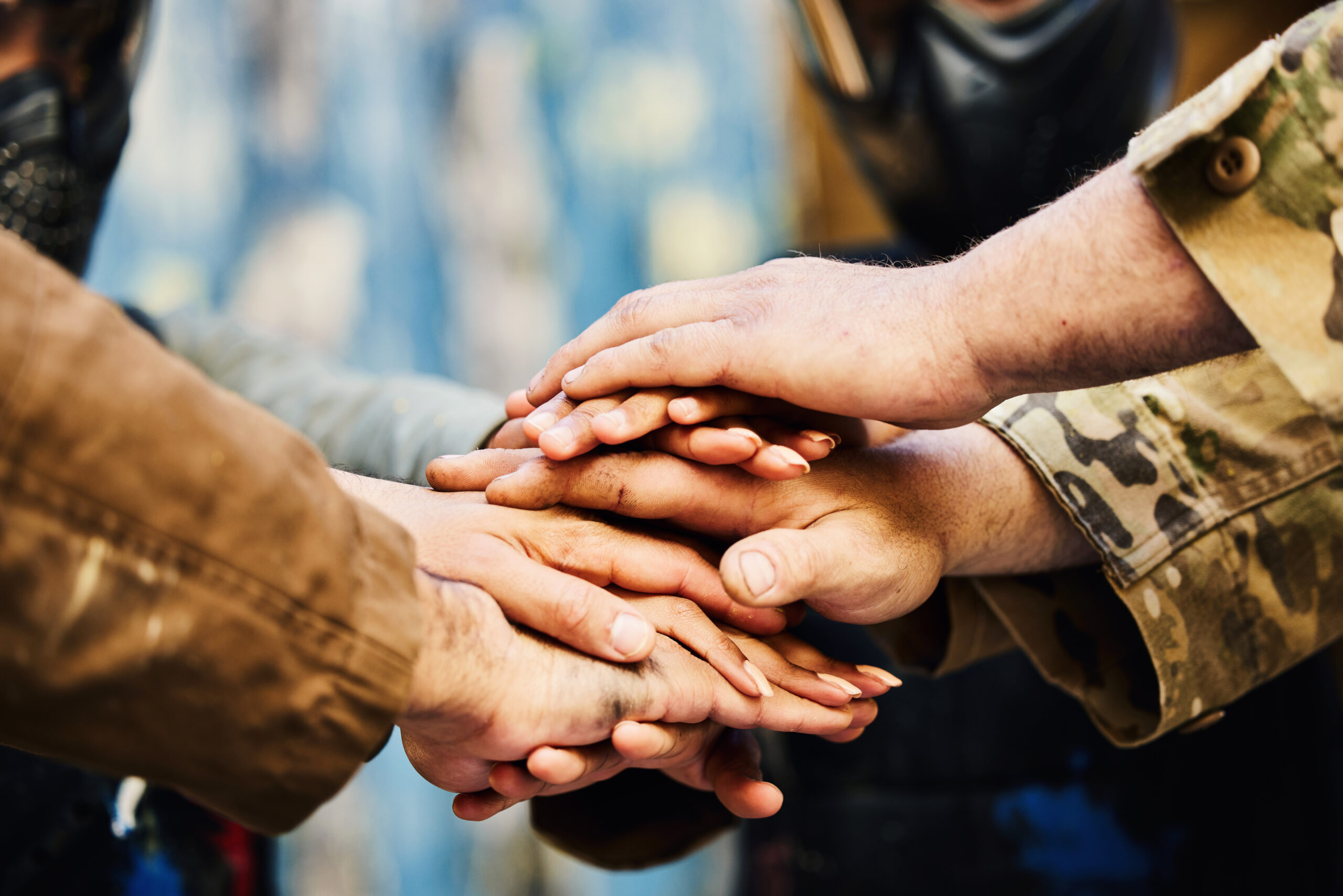
This blog post discusses how social resources boost mental wellness for military service member and their relationships.

Food insecurity is a global health problem affecting millions of people around the world. About 9.2% of the global population experienced hunger in 2022 (World Health Organization[WHO], 2023) and close to half of all deaths of children below the age of 5 years globally are related to undernutrition (WHO, 2024).

Erikson (1968) describes the period of adolescence as one that is based on identity formation, with adolescents breaking away from parental and societal expectations as they explore different ideas, values, behaviors, and attitudes until they find what resonates with them. Zohar et al. (2018) note that adolescence is a period of instability, with an adolescent’s personality and identity changing substantially over time.

Supporting the mental well-being of youth and teens is a top priority for many mental health professionals today. The age group of 12-18 year olds are developing the social and emotional habits that will lead them into adulthood. With school transitions, new friend groups, and opportunities, many are navigating and handling stress in new ways, for the first time. Youth in military families have added pressures to their lives that are unique, from parental deployments to frequent family moves. With all this considered, it is vitally important to consider and be familiar with assessing for suicidal ideation and self-harm behaviors when working with youth clients.
Mental health disorders have become prominent in recent decades and are a major health concern in many countries globally. About 970 million people around the world had a mental health disorder in 2019 according to the World Health Organization (World Health Organization, 2022).

Professionals can impact the development of recovery capital (RC) in clients with a history of substance use disorder or addiction. Personal RC includes both physical and human capital. Essentially, it is the combination of resources one has available to aid them in overcoming substance use challenges.

Teen dating relationships can become problematic if violence is taking place between romantic partners. Especially if the violence goes unnoticed or willfully hidden. Many teens are connected on social media, at school, and in peer groups, and like domestic violence, it is not as simple as breaking ties with a partner.






This material is based upon work supported by the National Institute of Food and Agriculture, U.S. Department of Agriculture, and the Office of Military Family Readiness Policy, U.S. Department of Defense under Award Number 2023-48770-41333.
© 2026 OneOp. All rights reserved.