Category

Health and Well-Being

Temperament-Based Interventions with Children: Part 2

By Health and Well-Being

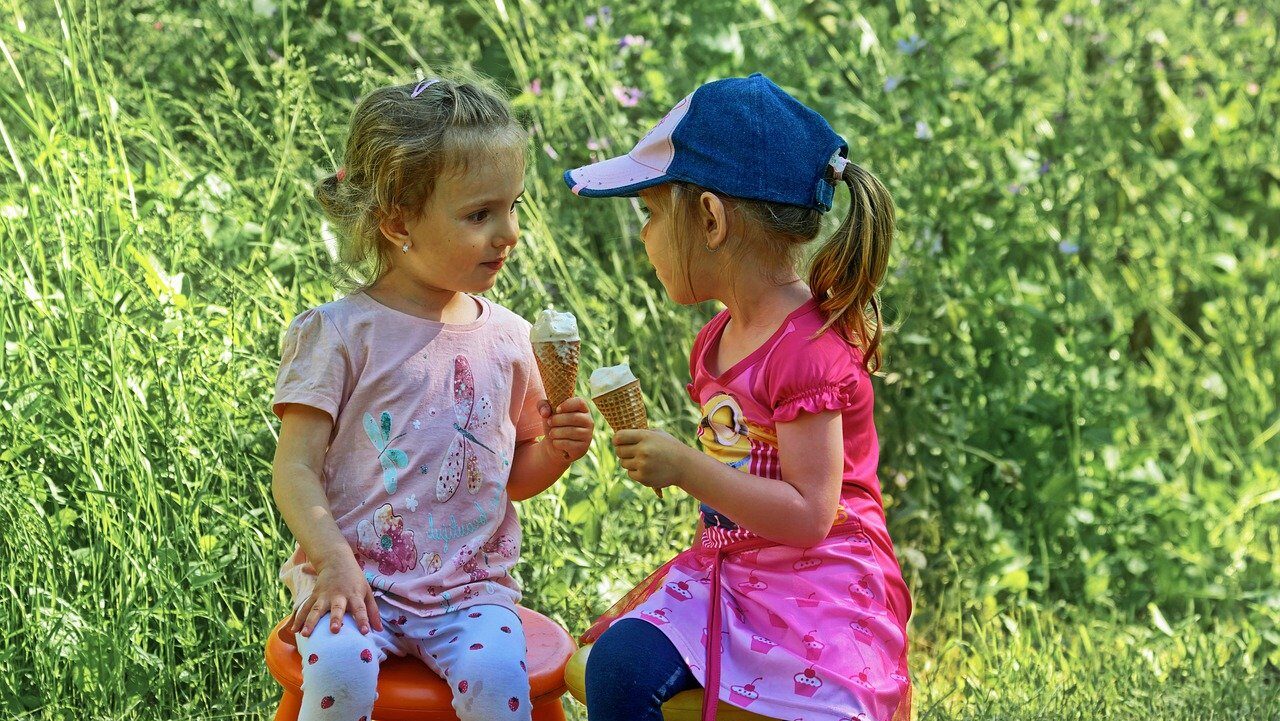
Children’s temperament influences their social-emotional competence and behavior. In our most recent blog post, we addressed possible ways to intervene when needed to support positive outcomes for all children and some of the existing research focused on temperament-based interventions. To recap, Iverson and Garstein (2018) suggest four goals of temperament-based interventions.

Read More

Temperament-Based Interventions with Children: Part 1

By Health and Well-Being

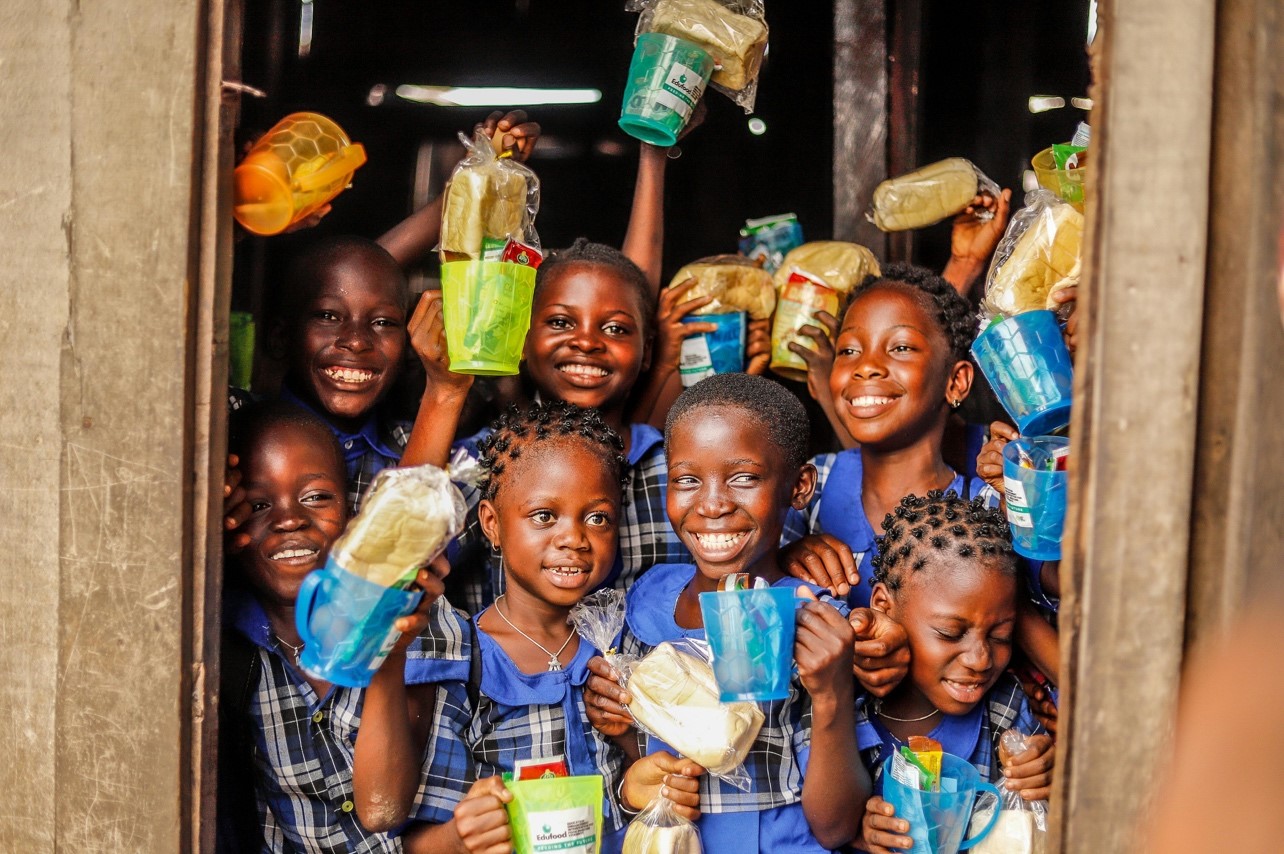
Yavuz-Müren and colleagues (2022) summarize some of the temperament-based interventions that exist. According to these researchers, interventions can be universal (e.g., used with all children to prevent temperament-related problems) or targeted (e.g., used with specific children who need additional support). Overall, temperament-based interventions focus on strengthening the skills of children’s caregivers (e.g., parents, teachers, childcare providers). Iverson and Garstein (2018) suggest four goals of temperament-based interventions.

Read More

Parent Perception of Nutrition Programs: How It Influences Participation and Engagement

By Health and Well-Being

Parental perception plays a crucial role in the success of nutrition programs designed to promote healthy eating among children and families in the United States. Programs like the Supplemental Nutrition Assistance Program Education (SNAP-Ed) and the National School Lunch Program (NSLP) have been significantly influenced by how parents view their value and effectiveness.

Read More
African American male holding a basketball drinking an energy drink or electrolyte replacement

The Impact of Energy Drinks on Health and Well-Being: What Does the Science Say?

By Health and Well-Being

In recent years, the consumption of energy drinks has grown significantly in the United States. According to the Centers for Disease Control and Prevention (Greene et al. 2019), approximately 33.5% of adolescents aged 12 to 17 reported consuming energy drinks regularly, while 42% of adults aged 18 to 24 stated they frequently consumed these beverages.

Read More