

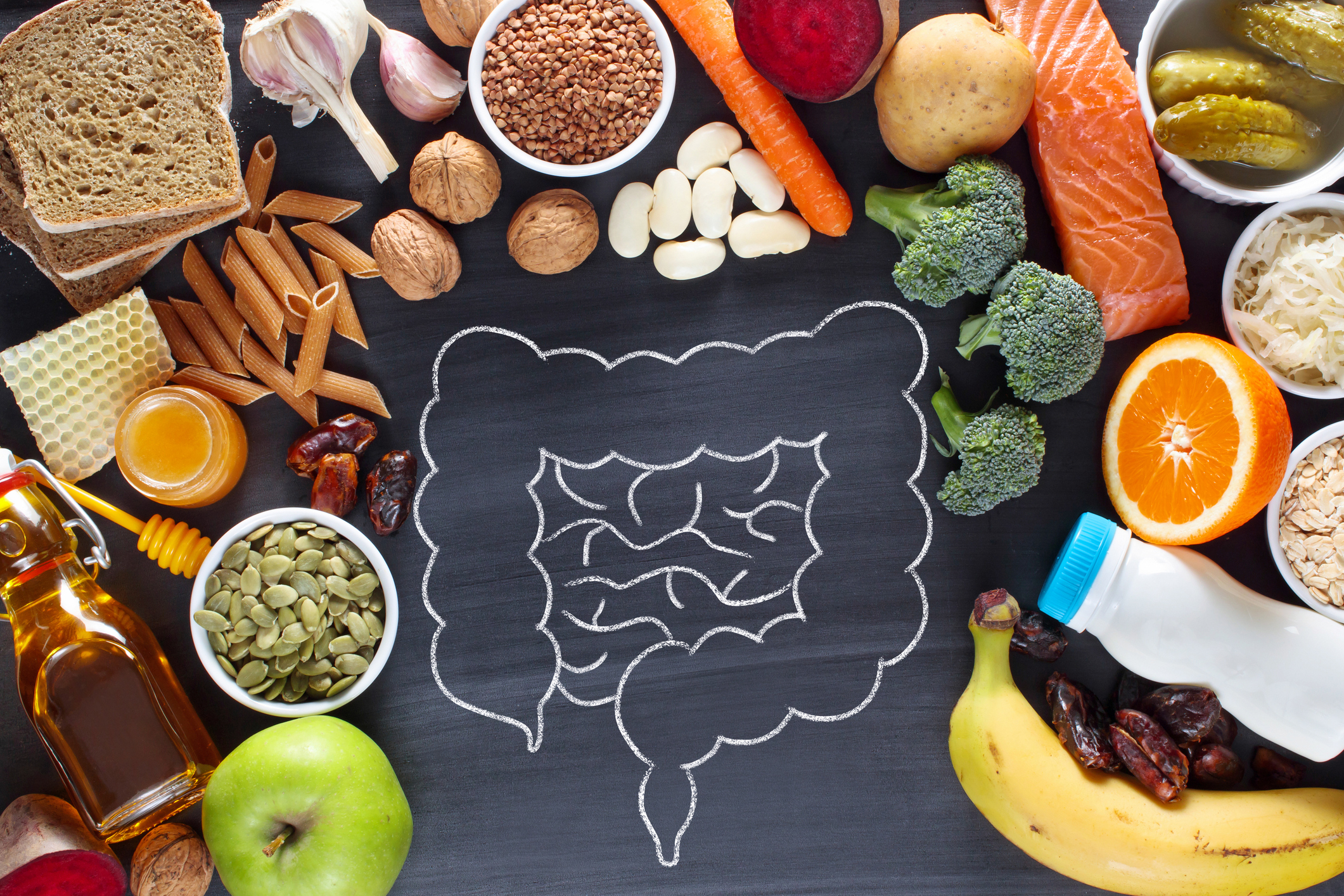
The gut microbiome is increasingly recognized as an important contributor to both physical and mental health through complex interactions among the gastrointestinal, immune, endocrine, and nervous systems. This webinar will introduce the gut–brain axis and examine how diet, environmental and occupational exposures, social determinants of health, medications, and other life experiences can influence the gut microbiome and potentially contribute to health outcomes. Drawing on research involving military service members and Veterans, Drs. Lisa Brenner and Andrew Hoisington will highlight emerging evidence linking the gut microbiome and intestinal permeability with posttraumatic stress, traumatic brain injury, depression, and other health conditions. The presentation will also discuss the rapidly evolving science of microbiome-targeted interventions and distinguish promising findings from areas where the evidence remains preliminary.
Learning Objectives:
- Describe the gut–brain axis and the biological pathways through which the gut microbiome may influence physical and mental health.
- Identify factors that can influence the gut microbiome, including diet, medications, environmental and occupational exposures, social determinants of health, and military-related experiences.
- Evaluate current evidence linking the gut microbiome and intestinal permeability with mental and neurological health outcomes and discuss the emerging potential of microbiome-targeted interventions.