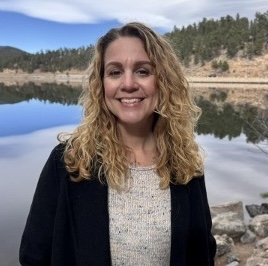

Recording NoticeDue to a technical issue with the Zoom recording, Karina is not visible in the recorded version of this webinar, although she was visible to attendees during the live presentation.Karina is the presenter and communicates in American Sign Language (ASL) throughout the webinar. The voices heard in the recording are those of the ASL interpreters interpreting Karina’s presentation.Closed captions are also available throughout the recording.
Supporting Deaf and Hard of Hearing individuals experiencing domestic abuse and/or family violence requires culturally responsive, accessible, and trauma-informed services. This webinar explores the unique barriers Deaf and Hard of Hearing survivors may face when seeking help, including communication access, isolation, systemic inequities, and limited accessible resources. Participants will gain a deeper understanding of Deaf culture, culturally sensitive engagement strategies, and best practices for communication and advocacy when working with these communities.
The presenter will discuss effective approaches to risk assessment, safety planning, and survivor-centered support while emphasizing accessibility, trust-building, and collaboration with community resources. Participants will leave with practical tools and increased confidence in supporting Deaf and Hard of Hearing military-connected survivors in a respectful, equitable, and empowering manner.
Learning Objectives:
- Identify community resources and accessibility practices that promote equitable and survivor-centered support services for Deaf and Hard of Hearing individuals.
- Identify at least three barriers Deaf and Hard of Hearing survivors may encounter when accessing domestic violence and family violence services.
- Describe at least three culturally sensitive and trauma-informed communication strategies when supporting Deaf and Hard of Hearing clients.
- Demonstrate understanding of effective safety planning considerations specific to Deaf and Hard of Hearing survivors experiencing abuse.