Promote the resilience of individuals and families through the physical, mental, emotional, social, and spiritual components of health.
Health and Well-Being
Support the holistic health and well-being of service members and their families.

Upcoming Programming

Creative Approaches to Build Confidence in Clinical Practice with Children
October 8 @ 11:00 am - 12:30 pm EDT
Though clinicians receive general or initial training in work with children, not many feel confident in this work if they have not primarily (or recently) worked with children in their professional po...
Learning Library


Recent Blogs

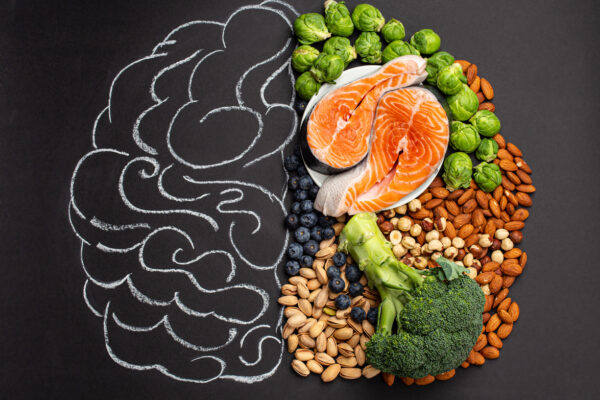
Irritable bowel syndrome (IBS) is a chronic gastrointestinal disorder characterized by recurrent abdominal pain and changes in bowel habits involving diarrhea, constipation, or both. These symptoms may occur without visible signs of structural damage or disease in the digestive tract (National Institute of Diabetes and Digestive and Kidney Diseases, 2024).
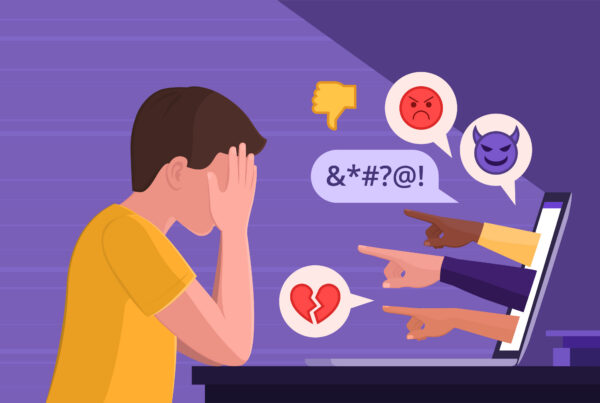
Although traditional bullying behaviors encompass physical threats and harm, cyberbullying behaviors share many of the same instances of harm that take place. Cyberbullying is defined as the use of electronic communication to bully someone, typically by sending intimidating or threatening messages (American Psychological Association, 2022). Being a victim of cyberbullying…
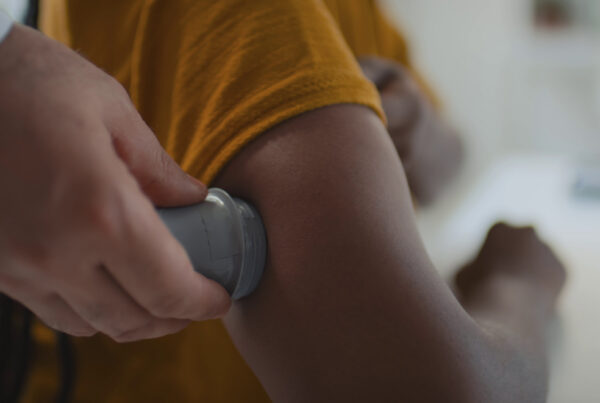
Continuous glucose monitors (CGMs) are becoming popular tools for understanding how food, activity, sleep, and stress influence blood sugar levels. While they offer valuable insights into individual responses and personalized nutrition, their use outside of diabetes care requires careful interpretation. In this blog, we explore the benefits, limitations, and practical…

Male caregivers play an important role in helping adolescents with disabilities develop life skills, self-confidence, communication abilities, and readiness for adulthood. Research suggests that positive caregiver involvement during adolescence may strengthen social-emotional growth and help youth navigate increasing expectations across school, work, home, and community settings.